How Much Do New Windows Save on Energy?

If you're like many homeowners, you're always looking for smart ways to cut down on utility bills. One surprisingly effective upgrade is replacing your windows. But just how much can new windows save on energy? The answer depends on several factors, but many homeowners see a significant drop in their heating and cooling costs after making the switch.
Why Old Windows Waste Energy
Older windows, especially single-pane models, often lack proper insulation. Over time, gaps, worn-out seals, and outdated materials contribute to energy loss. In winter, warm air escapes. In summer, hot air seeps in. Your HVAC system has to work overtime, which means higher energy bills.
How Energy-Efficient Windows Work
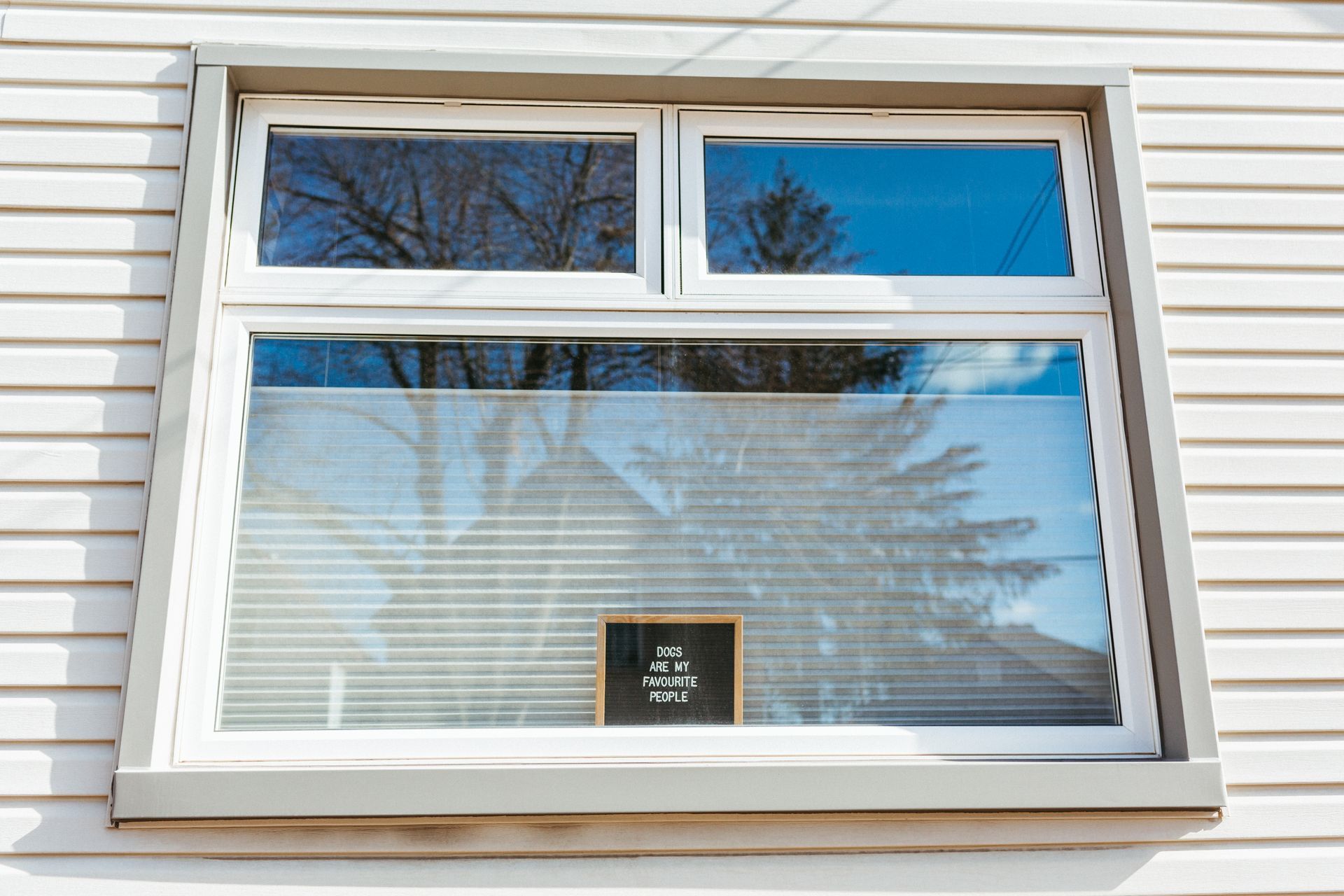
Modern, energy-efficient windows are designed to combat these problems. Features like double or triple panes, low-emissivity (Low-E) coatings, gas fills (like argon or krypton), and insulated frames create a barrier that keeps conditioned air inside and outside air out.
These improvements not only regulate your home's temperature better but also reduce strain on your heating and cooling systems. Less energy use equals lower bills.
Realistic Energy Savings
According to the U.S. Department of Energy, homeowners can save between $126 to $465 per year by replacing single-pane windows with Energy Star-rated models. In colder climates, savings tend to be higher because of reduced heating demands. In warmer areas, improved cooling efficiency can also yield substantial savings.
The return on investment (ROI) from energy savings typically takes 10 to 15 years, depending on your climate, current window condition, and how often your HVAC system runs.
Additional Benefits
Energy-efficient windows don't just save money. They also:
- Improve indoor comfort by reducing drafts and temperature fluctuations.
- Lower carbon footprint by reducing energy consumption.
- Enhance curb appeal and property value.
- Provide UV protection, reducing damage to furniture and flooring.
When to Consider Replacement
Here are signs it's time to replace your windows:
- Rising energy bills
- Drafts near windows
- Condensation between panes
- Difficulty opening or closing
- Noticeable wear, rot, or damage
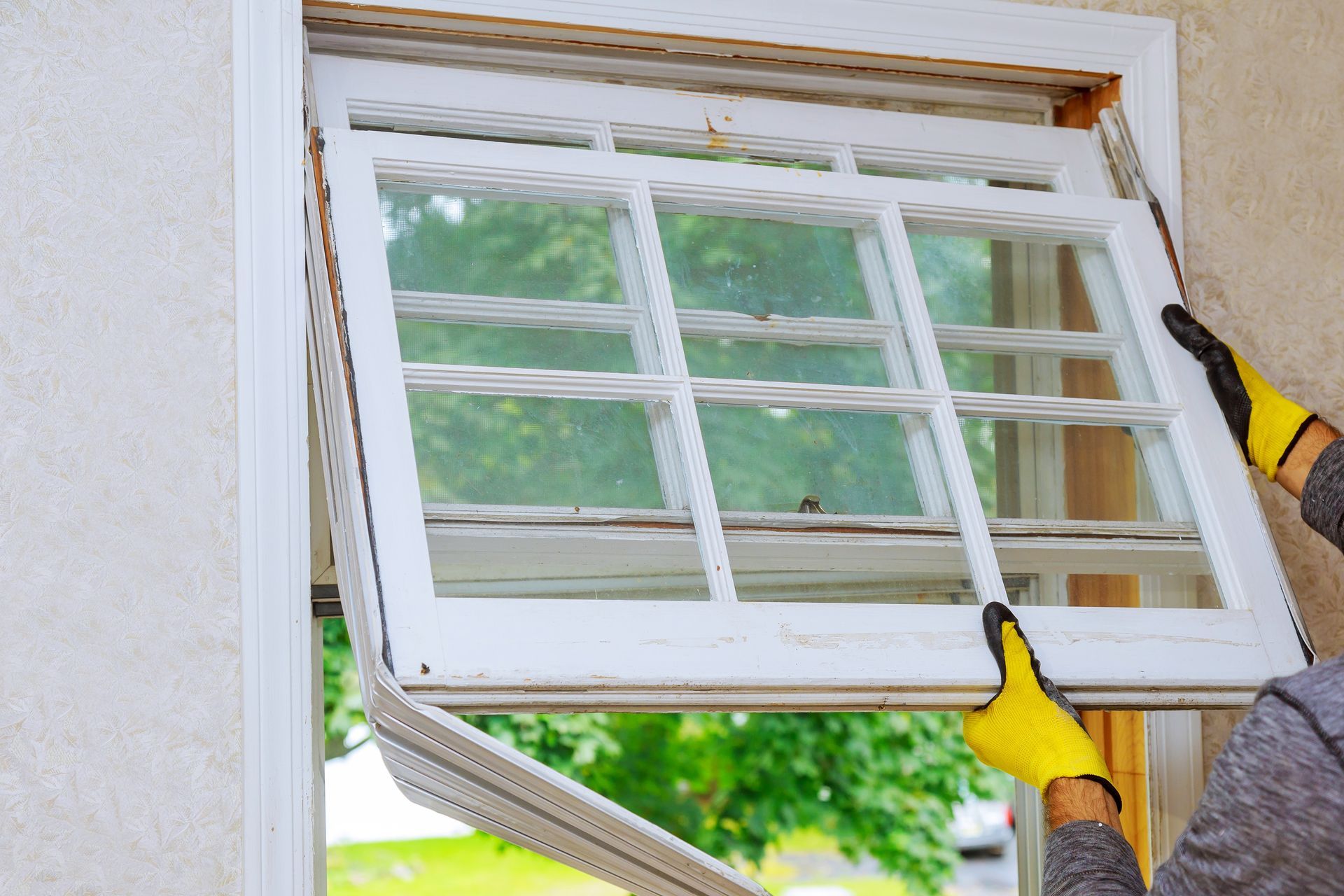
If your home has windows that are more than 15-20 years old, it's likely time to consider an upgrade.
Making the Most of Your Investment
To maximize savings from your window replacement, look for:
- ENERGY STAR® Certified Products: These meet strict efficiency guidelines.
- Professional Installation: Proper sealing and fitting are crucial.
Tax Credits & Incentives: Check for local, state, or federal programs that reduce upfront costs.
Final Thoughts
Replacing old windows with energy-efficient models is a smart, long-term investment. While the upfront cost can be substantial, the monthly savings on heating and cooling, along with added comfort and home value, make it well worth it.
Want to learn more about how new windows can benefit your specific home? Contact J.C. Tonnotti today for a free consultation and personalized estimate.
Frequently asked questions
About New Windows Save on Energy
How much do new windows reduce the electric bill?
New energy-efficient windows can reduce your electric bill by up to 12% annually, depending on your climate, home size, and window condition. Replacing single-pane windows with Energy Star-rated models can save $126–$465 per year in energy costs.
Do new windows actually save money?
Yes, new windows can significantly save money by reducing energy usage, minimizing HVAC strain, and even qualifying you for rebates or tax credits. Over time, these savings often offset the initial installation cost.
Is it worth it to replace 20 year old windows?
Absolutely. Windows older than 20 years often lack modern insulation and sealing technologies. Replacing them improves energy efficiency, comfort, and resale value, making it a smart long-term investment.
How much energy does windows save?
Upgrading to energy-efficient windows can cut home energy use by 7–15%, especially in homes with old or damaged windows. This includes both heating and cooling savings.
Will new windows make my house cooler?
Yes. New windows help keep your home cooler by blocking heat from the sun, reducing indoor temperature fluctuations, and lowering air conditioning use—especially when equipped with Low-E coatings and insulated frames.
Share this post
OTHER BLOG POSTS