Vinyl Siding in Connecticut: Pros, Cons, and Realistic Cost Expectations

What Is Vinyl Siding?
Vinyl siding is a plastic exterior cladding made primarily from polyvinyl chloride (PVC). It's designed to protect your home from the elements while giving it a clean, finished look. At JC Tonnotti, our team has been installing and replacing siding across Connecticut for years, and we've seen firsthand how the right siding choice can transform a home's curb appeal, comfort, and long-term value. This guide breaks down exactly what Connecticut homeowners need to know about vinyl siding before making a decision.
How Vinyl Siding Is Made
Vinyl siding starts as PVC resin, which is mixed with stabilizers, pigments, and impact modifiers. The mixture is heated and extruded into panels of varying thickness, typically ranging from 0.040 to 0.055 inches. Thicker panels generally offer better durability and a more convincing wood grain texture. The color is baked into the material during manufacturing rather than applied as a surface coating, which is why vinyl siding holds its color longer than painted alternatives.
Common Styles and Design Options
Vinyl siding comes in a wide range of profiles to match almost any architectural style. Horizontal lap siding is the most common choice, but homeowners can also choose from vertical board and batten, scallop siding, vinyl cedar shakes, and Dutch lap profiles. Many manufacturers now offer wood grain vinyl siding that closely mimics the look of natural cedar or other hardwoods. Trim accessories, soffit, and fascia pieces are also available in matching colors to create a cohesive exterior.
Why Vinyl Siding Is Popular in Connecticut
Connecticut homeowners face a unique combination of hot, humid summers and cold, snowy winters. Vinyl siding handles that swing well. It doesn't absorb moisture the way wood does, and it flexes slightly with temperature changes rather than cracking under pressure. It's also one of the most affordable siding options on the market, which matters in a state where exterior remodeling costs tend to run higher than the national average. For many homeowners across the state, vinyl siding hits the sweet spot between performance, appearance, and budget.
Pros of Vinyl Siding for Connecticut Homes
Low Maintenance and Easy Upkeep
Vinyl siding requires very little ongoing maintenance. You won't need to scrape, sand, or repaint it every few years like you would with wood. A simple rinse with a garden hose or a light pressure wash once a year is usually enough to keep it looking fresh. That alone saves Connecticut homeowners hundreds of dollars and many hours of work over the life of the siding.
Cost-Effective Compared to Other Siding Materials
Vinyl is consistently one of the most budget friendly siding materials available. It costs significantly less than fiber cement, natural wood, and engineered wood options, both in material price and installation labor. For homeowners looking to re-side an entire house without stretching their budget to the limit, vinyl siding delivers strong value.
Weather Resistance in New England Climates
Quality vinyl siding is engineered to be weather resistant and can handle the freeze-thaw cycles common in New England. Modern panels are rated to withstand high winds, and many products carry impact resistance ratings that help protect against hail damage. When properly installed, vinyl siding creates a reliable barrier against rain, sleet, and snow. Pairing quality siding with a solid roofing system gives your home a complete exterior defense against Connecticut's toughest weather.
Wide Range of Colors and Styles
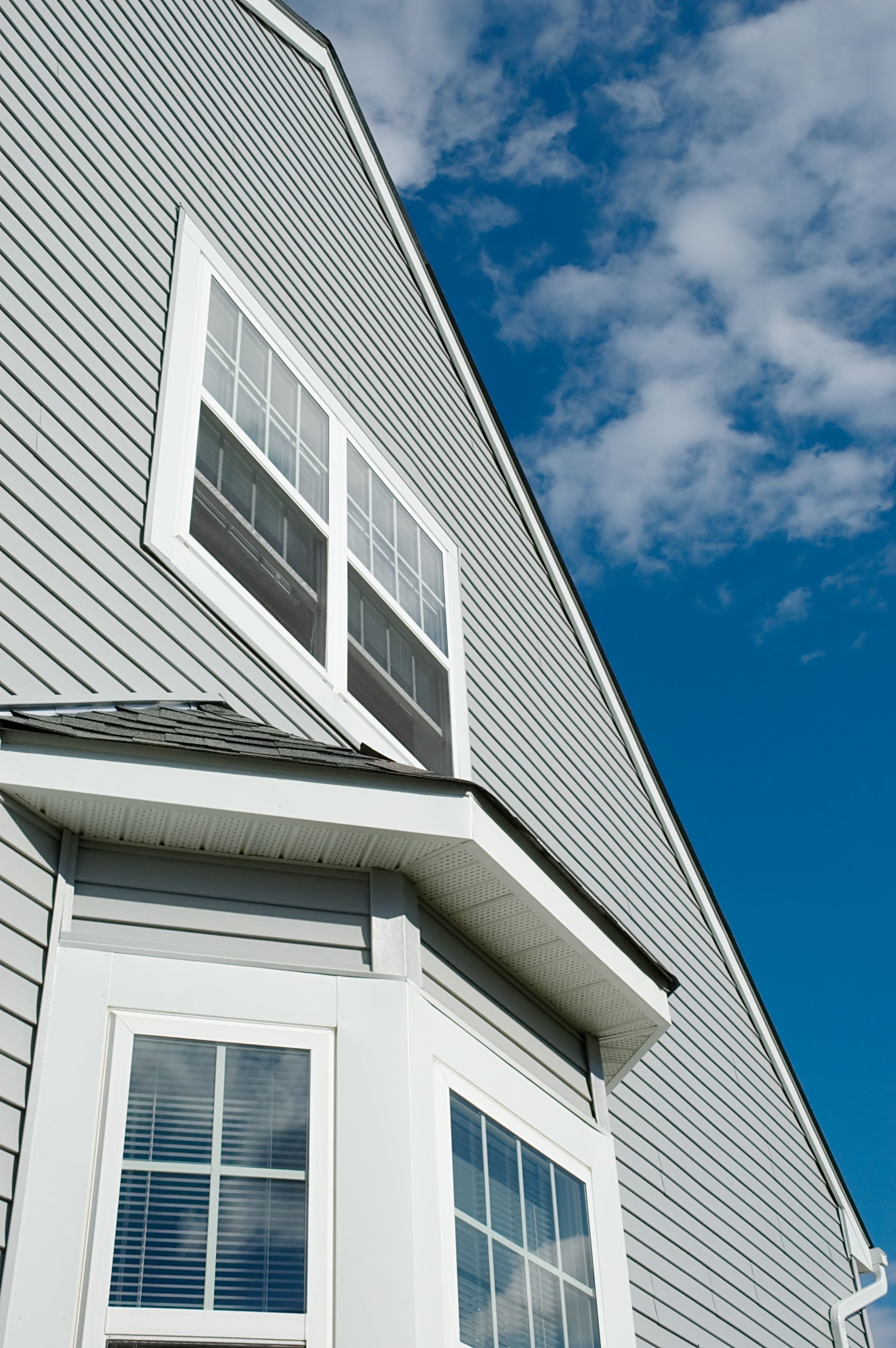
Today's vinyl siding options go far beyond basic white and beige. Homeowners can choose from dozens of vinyl siding colors, including deep blues, greens, reds, and grays. Cedar look vinyl siding and vinyl shake siding give you the appearance of natural materials without the maintenance demands. That variety makes it easy to match your home's architecture and boost curb appeal.
Moisture, Pest, and Rot Resistance
Unlike wood siding, vinyl doesn't absorb water. That means it's naturally moisture resistant, rot resistant, and mold resistant. It also won't attract termites or carpenter ants, making it pest resistant as well. In a state like Connecticut where humidity and precipitation are constant factors, those qualities add real practical value.
Energy Efficiency with Insulated Options
Insulated vinyl siding, which features a rigid foam backing bonded to the panel, adds a layer of exterior insulation to your home. Insulated siding panels help reduce thermal bridging through wall studs and can improve your home's overall energy efficiency. That can translate into lower heating and cooling bills, which is especially useful during Connecticut's long winters. Siding is just one piece of the puzzle. Upgrading your windows and doors at the same time can significantly multiply those energy savings.
Cons of Vinyl Siding to Consider
Limited Lifespan Compared to Premium Materials
Vinyl siding typically lasts 20 to 40 years depending on the quality of the product and installation. That's a solid lifespan, but it falls short of premium materials like fiber cement or natural stone, which can last 50 years or more. If you're planning to stay in your home for decades, it's worth factoring that difference into your decision.
Susceptibility to Cracking in Extreme Cold
Vinyl becomes more brittle in very cold temperatures. A hard impact during a Connecticut winter, whether from a stray baseball, a fallen branch, or windblown debris, can crack a panel. Individual panels can be replaced without redoing the entire wall, but it's still an inconvenience worth knowing about. If you're curious about how winter conditions affect other parts of your home's exterior, our guide on protecting your Connecticut home from winter damage covers the essentials.
Potential Fading Over Time
Even though the color is integrated into the material, vinyl siding can fade gradually after years of direct sun exposure. Darker colors tend to fade more noticeably than lighter shades. Most manufacturers offer fade resistant formulations and warranties, but some degree of color change over 15 to 20 years is normal.
Environmental Considerations
Vinyl siding is a petroleum-based product, and it's not easily recyclable in most areas. Manufacturing PVC also raises environmental concerns for some homeowners. If sustainability is a top priority for your project, it's worth researching the specific manufacturer's environmental practices and considering alternatives.
Lower Perceived Value vs Natural Wood
From a purely aesthetic standpoint, vinyl siding doesn't carry the same visual warmth or perceived value as real wood or cedar siding. While modern vinyl does a good job of mimicking natural textures, experienced eyes can usually tell the difference. If resale value and high-end curb appeal are your main goals, that's something to weigh carefully.
Vinyl Siding vs Cedar Siding: Which Is Better for Connecticut?
Cost Comparison
Vinyl siding costs significantly less than cedar, both upfront and over time. Cedar siding materials alone can cost two to three times more per square foot, and installation labor is typically higher as well. When you factor in ongoing maintenance costs like staining and sealing, the total cost gap widens even further.
Maintenance Requirements
Cedar siding needs to be stained or sealed every three to five years to maintain its appearance and protect it from moisture. Vinyl siding needs little more than an occasional wash. For homeowners who want a low maintenance siding option, vinyl has a clear advantage.
Durability and Longevity
Cedar siding, when properly maintained, can last 40 years or more. Vinyl siding lasts 20 to 40 years depending on quality. However, cedar is vulnerable to rot, insects, and moisture damage if maintenance lapses. Vinyl doesn't carry those risks, which makes its real-world durability more predictable for most homeowners.
Aesthetic Differences
Cedar siding offers a natural warmth and depth that's hard to fully replicate. The grain patterns and color variations give it a premium look that many homeowners love. Vinyl siding has come a long way in mimicking those textures, and cedar look options are convincing from a distance, but up close the difference is still noticeable.
Climate Performance in Connecticut
Both materials can perform well in Connecticut's climate, but they handle challenges differently. Cedar breathes naturally and manages moisture well when maintained. Vinyl resists moisture without any maintenance but can crack in extreme cold. For most Connecticut homeowners, vinyl's lower maintenance demands and consistent performance make it the more practical choice for cold climate siding. Our post on installing vinyl siding in winter covers some important timing considerations if you're planning a cold-weather project.
Realistic Cost Expectations for Vinyl Siding in Connecticut
Average Cost per Square Foot Installed
In Connecticut, vinyl siding installation typically costs between $3.50 and $8.00 per square foot installed, depending on the product grade and contractor. Standard vinyl falls on the lower end, while premium insulated vinyl siding sits at the higher end. For a typical 1,500 to 2,500 square foot home, total siding replacement cost generally ranges from $8,000 to $20,000.
Factors That Impact Pricing (Labor, Materials, Home Size)
Several factors affect your final price. Home size and the number of stories are the biggest drivers, since taller homes require more labor and equipment. The complexity of your home's architecture, including the number of windows, doors, corners, and trim details, also plays a role. Labor rates in Connecticut tend to be higher than the national average, so choosing an experienced siding contractor near you who offers fair pricing is important.
Cost of Insulated vs Standard Vinyl Siding
Insulated vinyl siding typically costs 30 to 50 percent more than standard vinyl. That premium buys you better energy efficiency, improved impact resistance, and a more solid feel on the wall. For many Connecticut homeowners, the energy savings over time help offset the higher upfront cost, making insulated siding panels a smart long-term investment.
Long-Term Value and Return on Investment
Vinyl siding replacement consistently ranks among the top home improvement projects for return on investment. National averages suggest homeowners recoup roughly 70 to 80 percent of the project cost at resale. Beyond resale value, the savings on maintenance, painting, and energy costs add up significantly over the life of the siding. For a broader look at which upgrades deliver the best returns, check out our guide to the best home improvement projects with the highest ROI for CT homeowners.
Key Factors That Affect Vinyl Siding Performance
Installation Quality and Contractor Expertise
Even the best vinyl siding product will underperform if it's installed incorrectly. Panels need room to expand and contract with temperature changes, and fasteners must be driven properly to allow that movement. Working with experienced vinyl siding contractors in CT who understand these requirements is one of the most important decisions you'll make.
Proper Insulation and Underlayment
A good siding installation starts with what's behind the panels. House wrap, exterior insulation, and proper underlayment all contribute to the siding's overall performance. Skipping or skimping on these layers can lead to moisture problems, energy loss, and premature wear. Our overview of insulation and minimizing heat loss in your CT home goes deeper on why these layers matter.
Ventilation and Moisture Control
Moisture that gets trapped behind siding panels can cause mold, mildew, and structural damage over time. Proper ventilation channels and moisture barriers are essential, especially in Connecticut's humid summer months. A qualified siding installation team will make sure your wall system breathes correctly.
Local Climate and Seasonal Changes
Connecticut's four distinct seasons put siding through a full range of conditions. Freezing winters, wet springs, humid summers, and cool autumns all test the material's limits. Choosing a siding product rated for cold climate performance and having it installed by a contractor who understands New England siding challenges makes a real difference in how long your investment lasts.
Is Vinyl Siding the Right Choice for Your Connecticut Home?
Best Use Cases for Vinyl Siding
Vinyl siding is an excellent choice for homeowners who want a durable, attractive exterior at a reasonable price point. It works especially well for full siding replacement projects, homes where low maintenance is a priority, and situations where budget is a key consideration. It's also a strong option for coastal home siding, since it resists salt air and moisture.
When to Consider Alternative Materials
If your home is a historic property, a high-end custom build, or if achieving the most authentic natural wood look is your top priority, alternatives like cedar, fiber cement, or engineered wood may be worth the extra investment. Homes in neighborhoods with strict HOA requirements may also have material restrictions worth checking before you commit.
Balancing Budget, Aesthetics, and Durability
For most Connecticut homeowners, vinyl siding offers the best overall balance of cost, appearance, and performance. It's not the cheapest option available, and it's not the most premium, but it consistently delivers solid results across all three categories. Choosing a quality product and a skilled installer is the key to getting the most out of your investment. If you're also weighing whether to tackle windows, doors, or roofing as part of a larger exterior remodel, bundling those projects with siding can often save on labor costs and deliver a more cohesive result.
Final Thoughts on Vinyl Siding in Connecticut
Weighing the Pros and Cons
Vinyl siding brings a lot to the table for Connecticut homeowners. It's affordable, low maintenance, weather resistant, and available in a huge range of styles and colors. The trade-offs, including a shorter lifespan than premium materials, potential cold-weather cracking, and gradual fading, are real but manageable for most homes and budgets.
Setting Realistic Expectations for Cost and Performance
Going into a vinyl siding project with clear expectations is the best way to ensure you're happy with the results. Understand what the material can and can't do, budget appropriately for quality products and professional installation, and don't cut corners on the details that matter most, like insulation, moisture control, and contractor expertise. When those pieces come together, vinyl siding is one of the smartest exterior investments a Connecticut homeowner can make. If you have questions about your specific project, reach out to our team for a conversation about what makes sense for your home.
Frequently Asked Questions About Vinyl Siding in Connecticut
How long does vinyl siding last in Connecticut's climate?
Most quality vinyl siding lasts between 20 and 40 years in Connecticut. The wide range depends on product thickness, installation quality, and how much direct sun exposure your home gets. Thicker panels (0.046 inches and above) with insulated backing tend to hold up longer in New England's freeze-thaw cycles. Regular cleaning and prompt replacement of any cracked panels can help push your siding toward the higher end of that range.
Is insulated vinyl siding worth the extra cost?
For most Connecticut homeowners, yes. Insulated vinyl siding costs roughly 30 to 50 percent more than standard panels, but it delivers measurable energy savings by reducing thermal bridging through your wall studs. It also feels more solid on the wall, resists impact better, and dampens outside noise. If you plan to stay in your home for more than five to seven years, the energy savings typically justify the upfront premium.
Can vinyl siding be installed over existing siding?
In some cases, yes. Vinyl siding can be installed over old wood or vinyl siding as long as the underlying structure is sound, flat, and free of rot or moisture damage. However, layering over existing siding can hide problems and may void some manufacturer warranties. Most experienced contractors recommend removing the old siding first so they can inspect the sheathing, repair any damage, and install a proper moisture barrier before putting up new panels.
What is the best time of year to install vinyl siding in Connecticut?
Late spring through early fall is ideal. Vinyl siding becomes more flexible in moderate temperatures, which makes it easier to handle and less likely to crack during cutting and installation. That said, winter installation is possible with the right precautions. If you're considering a cold-weather project, our guide on installing vinyl siding in winter covers what to expect.
Does vinyl siding increase home value in Connecticut?
It can. National data consistently shows that vinyl siding replacement recoups around 70 to 80 percent of the project cost at resale. Beyond the direct return, new siding improves curb appeal and signals to buyers that the home's exterior has been well maintained. Pairing a siding upgrade with other high-impact improvements like new windows or a new front door can strengthen the overall impression even further.
Share this post
OTHER BLOG POSTS