Five Reasons You Need New Hopper Windows

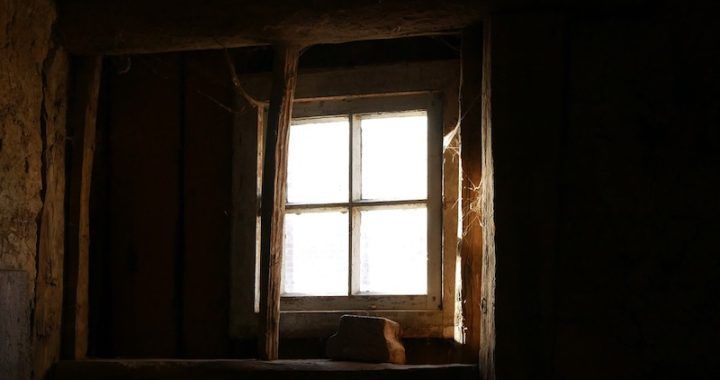
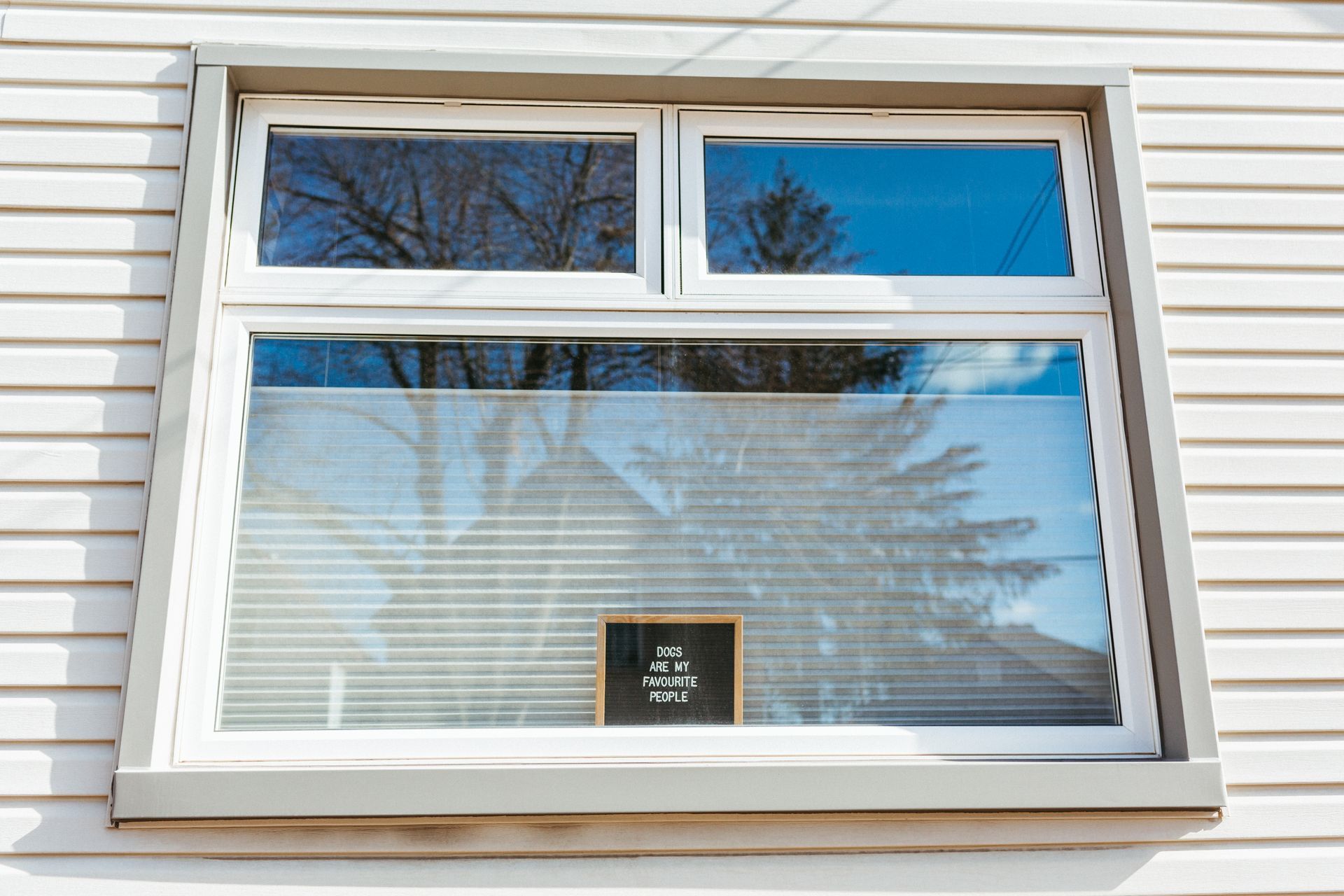
If you’ve been in a basement before, chances are you’ve seen hopper windows. These small, rectangular windows may not inspire awe in the same way that a skylight or large bay window can, but their job is no less important. Hopper windows represent an integral component to any safe, well-maintained basement. If you think your windows are failing any of the tasks below, consider J.C. Tonnotti, a Connecticut window company.
1) Hopper Windows will help insulate your basement
If you’re a homeowner, chances are you’re keen on improving your house’s insulation to stay warm and save on the electricity bill. You stuff your walls and attic with insulating foam and check for any problem areas. During your precautions, you may have missed one of the biggest contributors to energy loss: your basement. While belowground installations get a considerable amount of natural insulation from the soil, poorly constructed hopper windows can leak copious amounts of energy over time, leading to cold drafts and pricey heating bills. Even well-constructed windows can lose their ability to retain heat after years of use through cracks and worn seals, requiring eventual replacement.
2) Hopper Windows bring in the light
Dirty, cracked windows won’t just crank up the electricity bill through heat loss. This one might seem obvious, but poorly maintained hopper windows will prevent sunlight from reaching every corner of your basement. A good set of professionally installed hopper windows promotes an abundant amount of natural light, reducing the need for artificial light during daylight hours. Less artificial light means cheaper bills and a more natural aesthetic for your basement.
3) Protect What Matters
Break-ins through basement windows are a common entry point. Easy access from the ground and out-of-sight locations make basement windows a prime target for would-be home invaders. This security risk is compounded by poorly secured windows. A good hopper window should include a sturdy lock to prevent unwanted access from intruders, human or otherwise. (Loose or broken hopper windows can attract unwanted scavengers such as raccoons, mice, and rats.)
4) Waterproof, Waterproof, Waterproof
Hopper windows are designed to open inwards rather than outwards for a reason. This design helps keep dirt and debris out of your basement. However, poorly sealed hopper windows won’t keep water out! After heavy rainfall, water can drip down into your basement, damaging furniture and encouraging mold growth. Any homeowner that has experience water damage can tell you it’s a nightmare to fix. Water will find the smallest cracks and spaces to percolate into. Even if you think your windows are sealed, they may still be vulnerable. In this case, prevention is the best form of protection!
5) Ventilate the Space
Your basement tends to be the first room in your house to fall victim to stuffy air. These rooms are more isolated from other rooms in the house and see less foot traffic, which can make for stagnated air. Hopper windows should be able to open up to reinvigorate your basement with fresh air and to cycle out any old, dank odors that can build up over time. If your old basement windows are jammed shut, you won’t be able to properly ventilate.
J.C. Tonnoti: CT Window Replacement Specialists
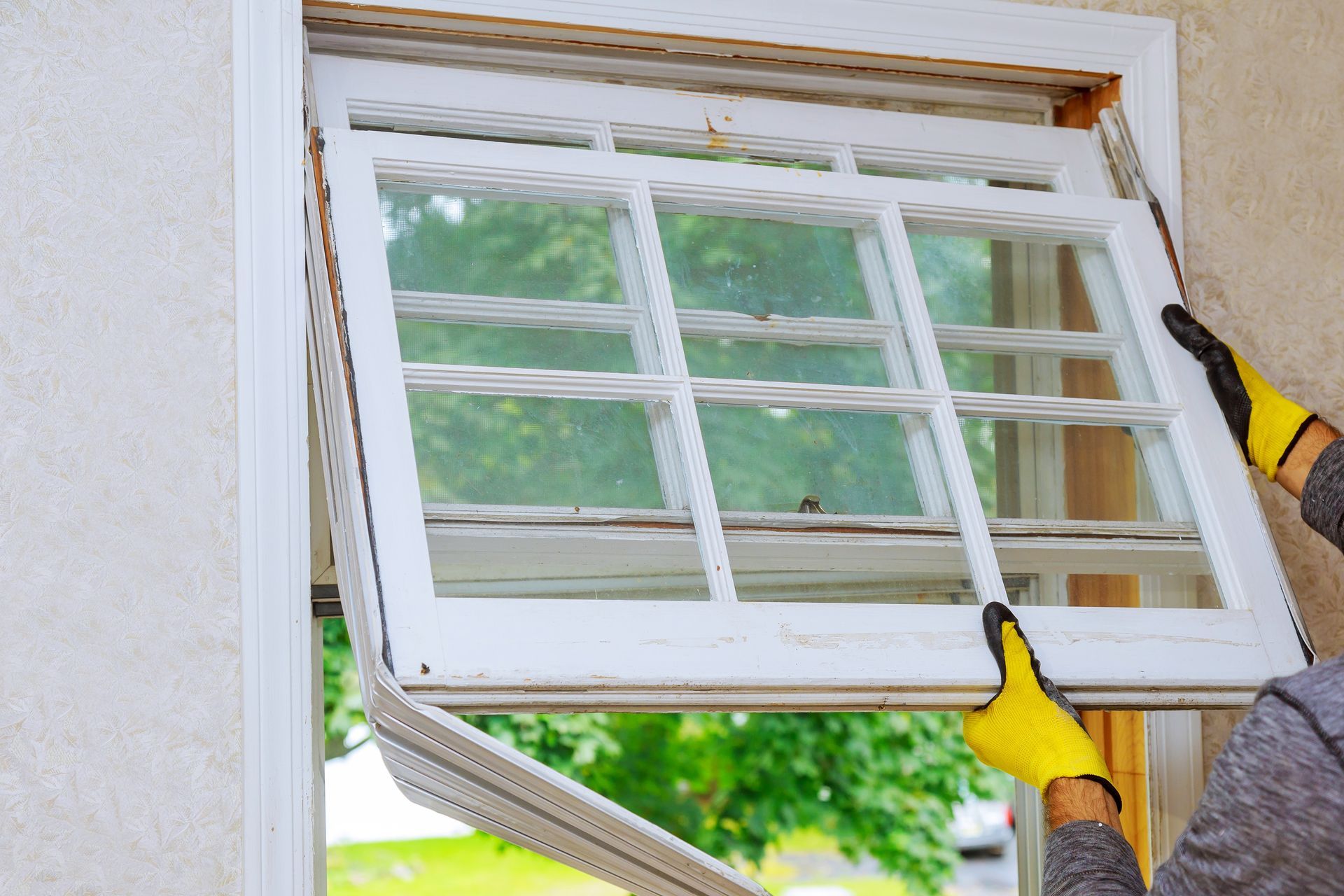
If you’re concerned about any of these five vulnerabilities, contact J.C. Tonnotti to discuss replacement hopper windows for your basement. Even the smallest basement hopper windows must perform their job at peak efficiency to maintain a safe, welcoming environment for your home. J.C. Tonnotti has established itself as one of Connecticut’s leading replacement window companies so if you think your windows or doors have failed, stop by for a visit or contact us!
Share this post
OTHER BLOG POSTS